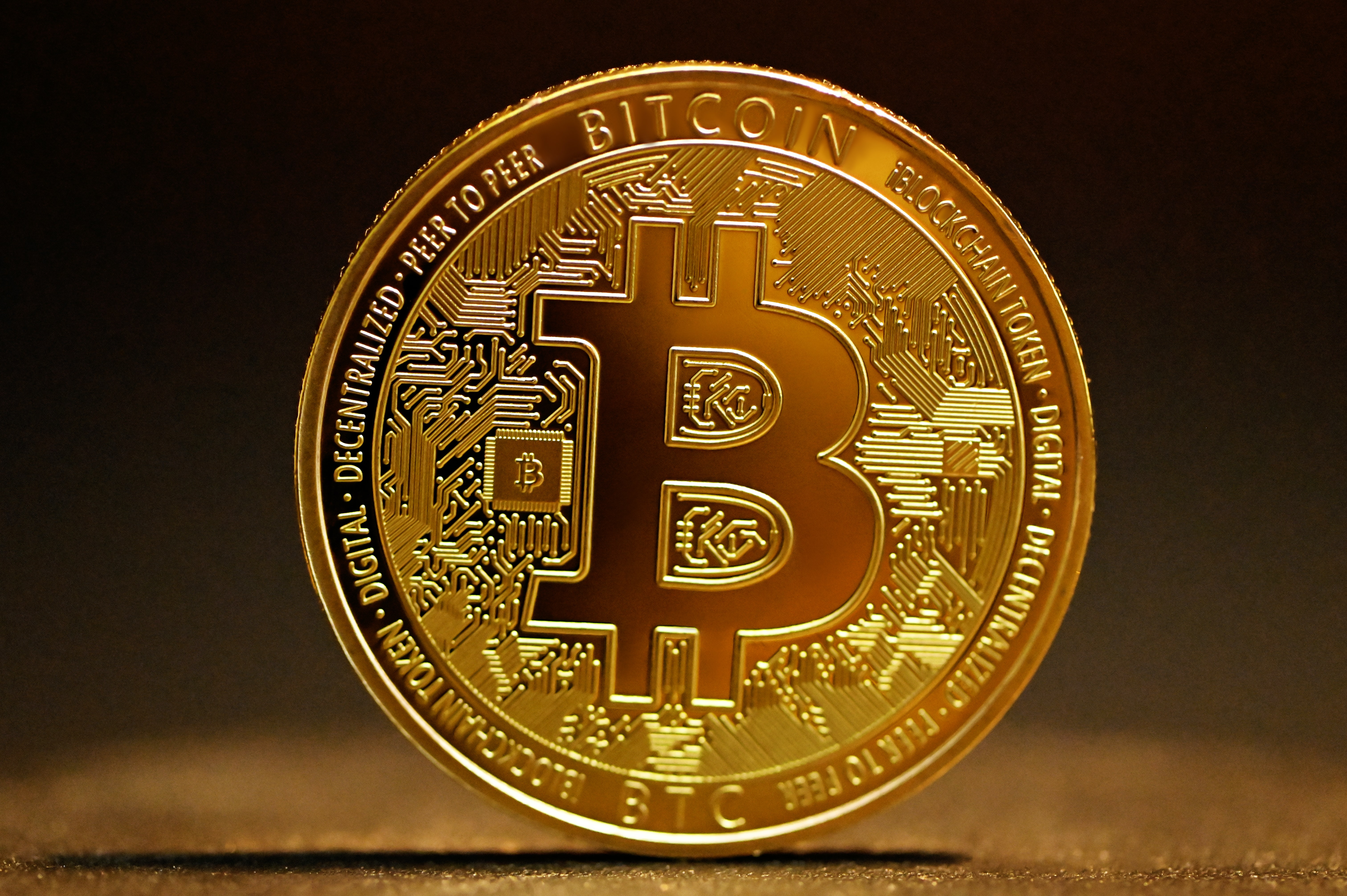
Bitcoin as a currency is special in that no one really controls the system. This is a bit of a complex idea to understand. In this blog, we’ll explore what this really means. You’ll also want to subscribe if you haven’t, as next time we’ll be exploring the seemingly opposite idea that Bitcoin is owned by everyone. Really though, they're complimentary arguments that together enhance the true benefits of cryptocurrency.
Bitcoin: Owned by No One
There is no person, board, or government in charge of controlling Bitcoin and managing its value. In the United States, the government can control the dollar and what it can and cannot be used for. Cryptocurrency like Bitcoin is not like this - No individual or organization can manipulate the system. It is independent.
Bitcoin exists because of multiple nodes coming to agreement or consensus. Because the network requires this agreement, no one human, government, or organization can compromise the integrity of execution. Let’s make another comparison to the US dollar. Anytime anyone makes a transaction with their credit card at a coffee shop, for instance, multiple parties are involved: The user themselves, the user’s bank, the credit card network, the point-of-sale at the coffee shop, the coffee shop’s bank, and the coffee shop employee all have a function. That’s a lot of people one needs to trust to make sure the transaction goes through! While this example is relatively simple and if something fails it’s as easy as tapping your card again, picture this on a larger scale: Buying goods online, companies involved in commercial deals, international banks conducting settlements… Not only can the layers of trust needed start to add up, the costs and time committed to the transaction start building up. If one party fails along the way for whatever reason, it can be a very costly mistake.
 The coffeeshop example is an easy one to understand, but the same principles can apply to larger, more complex transactions like real estate or global freight
Now, let’s jump back to what cryptocurrency is offering, first with the coffeeshop example. The user sends their cryptocurrency. The coffeeshop gets the cryptocurrency. There is no middleman, no extra step of trust involved. Think about those larger transactions. A large international transfer of value is needed to settle a major transaction. One bank sends cryptocurrency. The other bank receives it. The software does what it says it’s going to do, there can be no manipulation of this. The code runs the software. The protocol was designed from the start to be a system of order without any trust involved.
As you should now be able to see, not having a middleman has its benefits. The same applies to nodes, or the computers involved in mining and verifying transactions on the Bitcoin network. It’s as easy as downloading a program onto a computer to start up a new node - something that is hard to compare to the traditional fiat cash system. Truly no ownership over the system. While we’ve been making comparisons using Bitcoin this whole time, the way it works with Proof-of-Stake coins like Ethereum is very similar (no idea what this means? Check out our blog on "the Merge" for more information on the difference between the two).
There are more comparisons to be made between the US dollar and cryptocurrency, and more questions to answer. How, for instance, can we assure that the system does say what it can do, that the program is not compromised? That’s where the other idea comes into play, that Bitcoin is also owned by everyone. We’ll cover that in our next blogpost!