Takeaways
- Bitcoin fees may dramatically impact how you buy Bitcoin
- Fees charged for buying or selling cryptocurrencies aren't always obvious
- Research ways to buy or sell cryptocurrency and avoid hidden fees
Fees are Everywhere - Bitcoin is no Different
Bitcoin fees are something that can dramatically impact how you buy this cryptocurrency. Hidden fees are everywhere! In 2019, Consumer Reports found that 85% of Americans had come across an unexpected or hidden fee within the previous two years.
One concern at the top of many people’s minds when considering whether to invest in any form are fees associated with the investment. While it would be great to live in a world where all fees are transparent and easy to understand, that is oftentimes not the case. There are hidden and explicit fees with all types of transactions. In this post we will dissect just a few of the common fees present in finance across stocks, credit cards, foreign cash exchange, and crypto to give you a better understanding of how they all work.
Fees on your Stock Trades
There is a plethora of ways that your brokerage firm may be stealthily charging you for your stock trades, through the use of various hidden fees.
One way is through conducting your transaction through another exchange. While this may be surprising, many exchanges are not actually the ones executing the deals on the trade floor, instead “selling” your trading volume to a different exchange at a higher price and profiting off the difference, or spread. They may also be capturing the spread from another client who is selling at the same time that you are buying, or vice versa.
Another fee may be that they are loaning the stocks in your accounts to hedge funds. The hedge funds get a boosted portfolio while the exchange your stock is with collects loaning fees from the hedge fund.
Have you ever tried selling a stock and noticed a commission fee added? What is that? While not so hidden, these fees are simply added by the brokerage to generate higher profits.
Thus, exchanges have several ways of securing more fees out of your stock trading. Some exchanges promise lower fees or other offers to encourage more investors to join, while some experts recommend confident investors check out self-directed stock trading for better rates and choices in strategy.
Credit Card, ATM, & International Fees
Credit cards are notorious for their fees, both those easily understandable and the ones that take a bit more digging to find. Apart from APRs & annual fees, which many credit cards have, there are many additional fees that can keep adding up.


Some savvy credit card holders own multiple and keep track of fees and rewards to get the best deals possible.
When getting cash at an ATM that isn’t in your card’s network, there can be fees of a flat amount or percentage of your transaction. These only increase if you need cash during international travel, as a “translation fee” to convert your currency may be added. Did your family think ahead and bring along cash for your post-pandemic vacation? While this may save on some fees, there will be some fees associated with exchanging your cash, depending on where you are in the world. Remember that you’ll probably want to exchange any leftover cash back to USD at the end of the trip, adding another step of fees before you can enjoy your cash once again.
Did you know that credit cards also charge vendors to use their product? Some small businesses may have a notice posted that credit card transactions under a certain amount will have an additional fee added to offset these charges.
Of course, credit cards also have fees for being late on payments. It is recommended that you keep track of your credit cards to ensure you can pay them off as best as possible to prevent negative hits to your credit score or go into credit card debt. Also be careful that you have enough money in the accounts you’re paying off your credit cards with - else risk getting overdraft fees from your bank.
Bitcoin and Cryptocurrency Fees
Similar to stock exchanges, crypto exchanges have a variety of fees to gain more profit. While some have very transparent commission and trading fees, most have additional hidden fees baked into the spread between the marked-up price they show and the price they actually get by executing your trade with another exchange. For example, an exchange might have BTC listed at $43,000 when the actual going market price is $42,000. That difference of $1,000 is the spread that they profit from, plus whatever additional fees they might add to your trade.

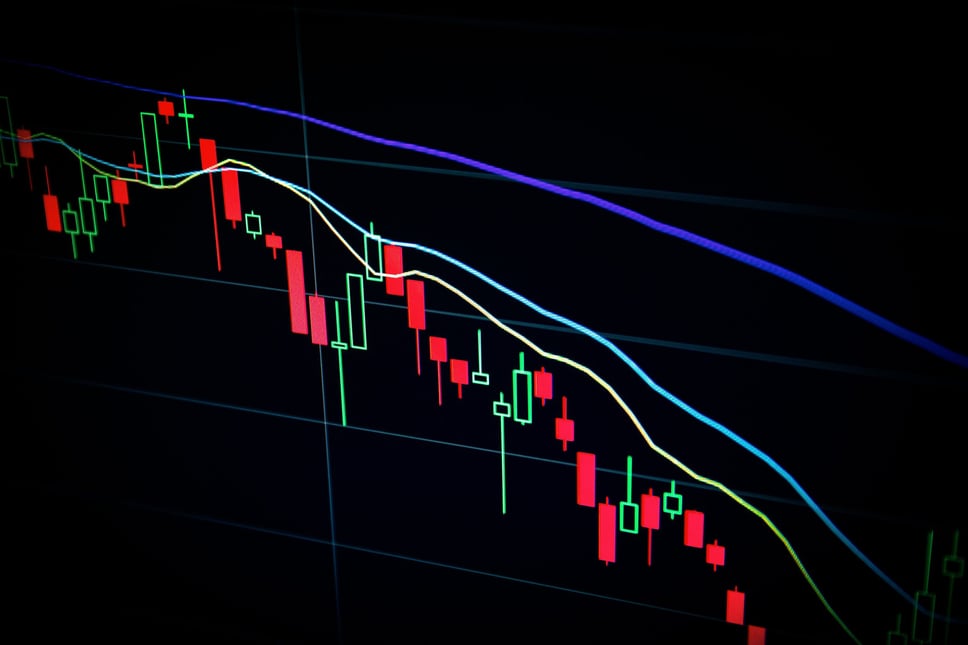
Some crypto exchanges are more complicated than others. Find one that has a fee structure that you like and offers the detail you prefer to make confident investing decisions!
The real kicker is that if you were to go back on the same exchange to sell your cryptocurrency for the same market price, they’d make an additional profit. So, if they have BTC listed at the market price of $42,000 and you sell, they’ll take an additional cut of the money they give back. Depending on the exchange, they may even hold onto this BTC you sold them, wait for the price to go back up, and sell it for more profit!
Meanwhile, some exchanges promise zero trading fees, at a monthly subscription cost. While this may sound intriguing, consider the number of trades you have to do with that exchange to make it worth it.
Finally, there are gas fees. Some protocols, like Ethereum, have this feature as an additional transaction fee that is determined by a supply and demand algorithm. We’ll write another blogpost in the future that dives more into detail on these, but in essence, suppliers (miners) can sell their mined coins to the highest bidder in exchange for fees. This means that buyers who want a speedier and more efficient transaction can do so if they pay some more, while others may have to wait longer to get their order fulfilled. Some exchanges allow buyers to choose their gas fee, while others simply add one to their fees that varies depending on demand at that point in time.
The Bottom Line
It’s important to do your research before you buy or sell cryptocurrency to avoid these hidden fees as best as possible. To get the best deal, we recommend you check the exchange’s fine print to see their fees and if there is a spread baked into the price (oftentimes, they might state that there is without actually going into detail of how much).
You may be surprised by the differences in how much crypto you actually get for your money between different exchanges. It’s possible it may be better to pay a higher fee if the exchange is transparent about offering the best market deal on your crypto - after all, it is your money, and you want it to be in trustworthy hands. Also worth considering is the additional benefits a particular exchange offers. Some offer staking rewards for proof-of-stake coins like Ethereum & Solana, while others may offer exchange within their own service for other coins at a discount. The bottom line? Always do your own research when making an investment decision!
CryptoFi is not a financial advisor and nothing on this blog should be construed as financial or investment advice. Do your own research before investing in any asset. Cryptocurrency can be highly volatile, and investing in it may result in capital losses. Read https://www.cryptofi.tech/disclosure.